
Nowadays it is very common to combine styles with 2020 trends. We have prepared a definitive guide to all the current styles. Do you already know which one is yours?

The decoration style is a particular way of decorating an environment through different criteria, shapes, certain commitments, colors, furniture and even architecture linked to a particular socio-cultural context that gives them their own characteristics.
Current styles reflect the influence and references of other styles and adapt to their environment, tastes and personality.
When it comes to renovating a home, whether it’s just touching up a space or doing a complete home renovation, deciding on a decorating style that reflects your taste and personality is one of the most important steps. Deciding on a decorating style that reflects your taste and personality is one of the most important steps. We recommend the main decorating styles that can inspire you to decorate your home.
To create an environment with a style you should have clear: the base color, the materials, the furniture and the decoration.
Índice de Contenidos
- 1 CURRENT DECORATION STYLES
- 1.1 Nordic style or Scandinavian style
- 1.2 Minimalist Style
- 1.3 Industrial & Loft Style
- 1.4 Vanguard Style – Modern Decoration
- 1.5 Rustic & Modern Rustic Style
- 1.6 Vintage Style
- 1.7 Retro Style
- 1.8 Romantic Style
- 1.9 Shabby Chic Style
- 1.10 Kitch style
- 1.11 Classic & Modern Classic Style
- 1.12 Art Deco style
- 1.13 Mid Century Style
- 1.14 Contemporary Style
- 1.15 Mediterranean & Coastal Style
- 1.16 Oriental Style
- 1.17 Ethnic Style
- 1.18 Boho Chic Style
- 1.19 Glam Style
- 1.20 Japandi style
- 1.21 Wabi Sabi Style
- 1.22 Eclectic Style
CURRENT DECORATION STYLES
As the name of the style says, its origin is in Finland, Norway, Denmark and Sweden, where winters are very long and days are short, so the main objective of this style is to maximize the light. Everything is thought to multiply the interior clarity and avoid any darkness, giving functionality to the space above all. Ideal for small apartments, where you have to take advantage of every meter.
Characteristics and keys:
- The main color is white, which is also bright, accompanied by elements in vibrant colors such as red, blue and/or green.
- Natural materials such as wood in light tones.
- Modern furniture with very refined and soft lines with a cozy look.
- Natural fabrics such as cotton.
- Very simple decorative elements made of glass or ceramic.
- The concept of nature using decorative plants such as cactus or nature motifs are also applied in textiles or paintings.


Do you know the new HYGGE concept of Scandinavian style? Hygge is a Danish term and it means more or less the total absence of uncomfortable and clutter-causing elements. It’s a way of enjoying life with simple things.
Minimalist Style
This innovative style, which reflects the philosophy of simplifying things or rather, less is more. The trend is to reduce to the essentials and eliminate excess elements. To keep the environment not boring, it is necessary to play a lot with materials and different textures of decorative elements.
Characteristics and keys:
- Neutral and soft colors even in the floors and furniture. Black and white are a landmark.
- Materials such as ceramics, wood, clay, textiles.
- Simple furniture with straight lines, filomuro doors.
- Decorative elements such as eye-catching pictures or plants.
- An additional touch, the elements in the intense color. For example, blue or green carpet or red cushions on the sofa.

Industrial & Loft Style
This style was born in New York during the 50’s, when young artists began to settle in large and spacious factories or abandoned warehouses transformed into residential spaces, totally diaphanous, with very high ceilings and large windows. The industrial style eventually became the loft style. It is a mix of old and new and is very combinable with other styles. Every space can benefit from the industrial style.
Characteristics and keys:
- Neutral white and gray colors, with black as the protagonist.
- Materials such as exposed brick, concrete, iron, untreated wood.
- Mixed wood and metal furniture.
- Industrial type decorative accessories.


Combine the industrial style with the Nordic or boho style to get the most luminous and feminine space!
Vanguard Style – Modern Decoration
It is the style of the biggest trends for interior design. It stands out with modernity, technology that makes life more comfortable at home, with wide and luminous spaces, all with simple lines.
Characteristics and keys:
- The walls preferably white, although a wall in a more striking color as a contrast or wallpaper protagonist, combining with decorative elements. One of the most popular trends is to combine black and white colors with purple and/or red.
- Materials such as aluminum, steel, PVC or wood with simple lines.
- Elegant and simple furnishings with the mind that less is more.
- Decorative elements are pictures with photographs or very modern, huge lamps or mirrors. You can also opt for large sculptures or modern vases.

Rustic & Modern Rustic Style
The style for lovers of the countryside, natural materials and craftsmanship regardless of whether the home is urban or rural. This style is characterized by tranquility, nature and tradition.
Characteristics and keys:
- Colors of nature such as blues, browns and greens. Intense colors are combined with light wood and light colors with dark wood.
- Main materials are stone, wood, clay and natural fabrics.
- Wooden furniture, especially pine, tables with drawers and cabinets with glass doors.
- Decorative accessories: pictures of landscapes or family photographs, wooden ladles and traditional ceramic rods.
- Very typical of a loft are the exposed wooden beams.

Combination of rustic style and modern Nordic style reflects a complete set of modern design in a simple way with real spirit of the rustic style that seeks imitations of this style.


Vintage Style
It refers to the past through antique objects designed in the past, therefore, what we really know, are the decorative accessories or furniture of this style, it is not so much the whole decoration in this style, otherwise it would be like entering your grandmother’s house. The secret is to combine the vintage style with other styles, for example, industrial, retro, Nordic, contemporary or boho.
This style is for lovers of unique pieces and for collectors.
Characteristics and keys:
- Neutral and warm colors in pale shades such as light pink, mint green, lilac…
- Materials: wood and forging.
- Furniture with soft lines.
- Bronze, brass or crystal decorative complements.
Is a vintage piece of furniture the same as an antique one? Of course not! An antique furniture should be more than 100 years old and a vintage furniture more than 40 years old.
Retro Style
This style is inspired by the 50s, 60s, 70s and 80s. The references of this style with reproductions inspired by that era, new or second hand. A casual decoration and transmits a lively atmosphere with bright colors. If we talk about the original pieces of that season they are vintage style.

Difference between vintage and retro style? Vintage style is obtained from the original furniture of the past era and retro style is designed in the present time with the style of the past!
Romantic Style
This style conveys a warm and friendly personality. Soft textures, simple and delicate accessories, flowers and a touch of sophistication are the guidelines .
Characteristics and keys:
- The white color is always accompanied with pastel tones both in accessories and furniture.
- Wooden furniture in light tones.
- Soft fabrics.
- Fresh flowers and floral prints on fabrics and cushions.
- The bronze accessories such as vases and clear or colored glass, the candles everywhere, the pictures with message sheets, the photographs and the handmade details.

Shabby Chic Style
-
This style was born in the country houses of Great Britain and is characterized by pastel tones, antique furniture and flowers.
The characteristics of Shabby Chic are like the romantic style, but more country.
Characteristics and keys:
- Worn and aged finishes
- Pastel colors and white as the dominant color.
- Floral patterned wallpaper, aged wood, white wrought iron.
- Classic, elegant and vintage furniture.
- Fabrics and decorative elements in sweet tones such as powder pink, mint green or soft blue colors.
- Decorative elements such as glass vases, flowers in vases, carved photo frames, paintings, mirrors with Victorian style gilt frames, retro tableware.

Kitch style
Born in Germany, it should express the happiness of a middle class without great goals. This style is not popular in today’s times as it goes against all trends with the reflection of balance and functionality.
Characteristics and keys:
- Hard to match colors: reds, pinks, lilacs and violets.
- Materials such as ceramic and plastic that simulate marble.
- Lots of things without order on the tables and walls, especially souvenirs of family events.

Classic & Modern Classic Style
The classic style is timeless and represents luxury. It is characterized by symmetry and overloading of the rooms. Cornices, Greek style columns, doors with capitals, marble fireplaces and rectangular furniture. Then many decorative complements are used such as arches, stuccos, rosettes, oak or laurel leaves, bosieres. Upholstered walls. Today the day is usually chosen by wealthy people who have tastes of traditional culture and prefer old values.
Characteristics and keys:
- Colors of soft tones, such as cream, green, gray, light yellow and pure white. Intense colors such as red or green can be applied as a decorative element, for example, a painting, a carpet or a piece of furniture.
- Materials: Marble, parquet, handmade stuccos.
- Hardwood furniture usually ornamented with gold details and lacquers of the highest quality. Sofa, armchairs, chairs usually upholstered with turned legs and curved and ornamented backs.
- Lighting with dominant lamps with chandeliers (in bronze color) of crystal or transparent stone. Also floor lamps and sconces.
- Fabrics such as brocades, satin, velvets, upholstery fabrics and silk.
- Accessories such as large paintings with carved frames, silver cutlery, porcelain plates.
- Wallpaper.
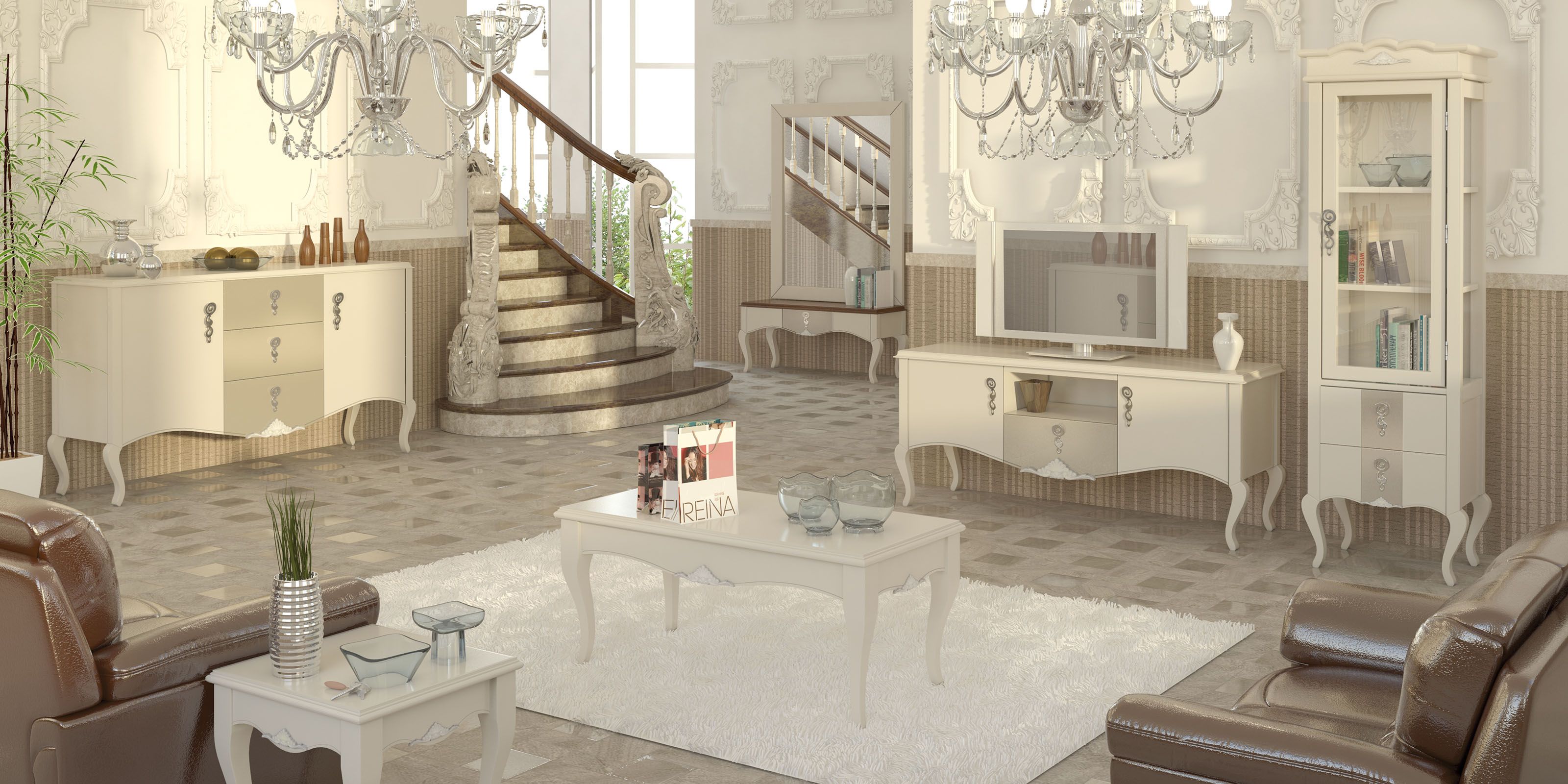
Classic and modern in interior design. A connection of classic and modern that will never go out of style.
A mixture of two styles, so it is very important to choose one style as a base and the second as decorative elements. It will be necessary to choose if the modern style with classic accessories or the opposite, the classic style as a base with modern accessories. In case of mixing both styles the elements should be similar in order to maintain the characteristics of this set: simplicity, elegance, sophistication, naturalness and modernity.
Art Deco style
Origin in France from 1920 to 1950. This style has always been and will always be a luxurious style with a decoration full of elegance, glamor and symmetrical designs in every home. Because of its elegance and ornamental character it will never disappear from the present.
Characteristics and keys:
- White, black, metals and mirror color scheme.
- Materials: polished ceramics with geometric lines, ebony wood, steel, wicker and leather, geometric wallpaper, shiny fabrics, glass, metallic paints.
- Hardwood furniture with different lines and decorations with striped fabrics, zigzags and stripes.
- Decorative elements in chrome and bronze with an important geometry, boiseries.
- Upward and downward illumination.

Mid Century Style
This style refers to the modernism of the United States and pays special attention to functionality and aesthetics. It is especially recommended for houses with the same height in the rooms and diaphanous floors. Mid Century transmits a comfortable, cozy, clean environment with outstanding details.
Characteristics and keys:
- Neutral colors and muted tones are mainly used in the whole volume of the environment, only with some complements in intense colors the rule of tonality is broken.
- Wallpaper as a protagonist only with geometric motifs in different scales.
- Wooden furniture in dark and light tones.
- Lighting in search of aesthetics and functionality as lamps with exposed bulbs.
- Bronze-colored accessories such as mirror frames, lamps, decorative figures, vases.

Contemporary Style
This style is characterized by joining classic pieces combined with straight lines in diaphanous spaces, keeping the space charming and cozy. It is a balanced mix of the elements that inspire each one and thus make the difference of a unique and unrepeatable space.
Characteristics and keys:
- Spaciousness and straight lines.
- Neutral colors and soft cream, gray, black or brown tones.
- Diverse materials such as stone, microcement, wood and glass.
- Classic furniture with straight lines made of wood, glass or cement.
- Lighting with large windows and a large chandelier with straight lines.
- The decorative complements are metals, clear and opaque glass.
- Elements of significant size that have the ability to highlight a particular point of decoration. For example, a large painting, a fireplace, another piece that maintains straight lines and stands out above the rest.

Mediterranean & Coastal Style
It is a style that combines the classic elements of a Mediterranean house with the elements of the “glam” aesthetic. Try to decorate a house that evokes a beach with sand and crystal clear water.
Characteristics and keys:
- White is the main protagonist both on the walls and in the furniture and decorative accessories, as it is the color of maximum luminosity. White accompanies the color blue, turquoise blue evoking the water of the sea and the gray and cream tones recalling sand.
- Natural wood or white lacquered furniture.
- Fabrics with discreet prints or traditional sailor stripes.
- Decorative accessories: polished crystals, brass, stones, shells and conches, with braided fiber baskets.

TIP FOR A CONTRASTING EFFECT!
Paint one wall of the room in a deep blue color with the furniture in white so as not to lose the brightness.

Oriental Style
The designs of oriental environments transmit serenity and calmness. It is a European style with a fusion of Asian styles ranging from Japanese to Zen style, based on harmony and balance.
Characteristics and keys:
- Warm, soft colors such as white and beige with a contrasting color such as red or orange.
- Natural materials such as wood.
- Very low furniture with details in golden color.
- Subtle and indirect lighting.
- Decorative accessories: paintings with Asian motifs, Chinese details such as cushions or statues and lamps, then candles and incense.
- Japanese panels and Bosai trees as protagonists.


What is Zen style?
A style based on its philosophy of peace and tranquility in modern times, a reflection and rest from the outside world. Zen is achieved with few objects, light colors, simple lines, elements with Buddhist touches and everything very tidy.
Typical are tables with half the normal table height and chairs with cushions in many occasions.
Ethnic Style
The ethnic style reflects the cultures of a people and traditional craftsmanship. It is the fusion of handcrafted elements from different cultures, thus creating exotic environments of travel inspiration.
Cultural touches such as African or Asian combine perfectly with modern environments, giving originality and freshness to the space.
Characteristics and keys:
- Colors in soft shades of browns, greens and blues combined with more vibrant tones such as orange or red.
- Natural materials: stones, clay pottery, wood such as wicker, rattan and other vegetable fibers.
- Furniture in rustic or exotic natural woods, with metallic details.
- Strong lighting, lamps with exposed bulbs.
- Fabrics with ethnic prints or geometric and colorful shapes.
- Decorative accessories are essential pieces from different cultures such as oriental rugs, exotic trunks, bamboo baskets, handmade tapestries and natural plants.

What is rattan?
The oriental cane that is used to make the furniture, and comes from the rattan, a kind of climbing palm tree. Rattan is a material similar to wicker, but it is not the same. Rattan is much more solid and robust with a higher resistance to humidity. That is why in the 60s it was very fashionable as outdoor furniture, then with the boom of pvc furniture its popularity ended. Now with the current trends of bringing everything natural indoors, it is used both outdoors and indoors.
Boho Chic Style
A bohemian style, as its name suggests, full of freedom with a strong personality of its own. It is a fusion of styles and cultures without rules, so you have to know how to mix all the elements to get a meaningful result.
The Boho Chic style recalls a mix between antique and modern with vintage and ethnic elements, with a great combination of printed colors that have to give a result of elegance and creativity.
Characteristics and keys:
- It highlights a combination of warm and vibrant colors on a base of earth colors in light tones.
- Hardwood furniture with a worn look, the pieces in vintage or retro style.
- Flowers are present in all spaces through paintings, printed on cushions, carpets or present in vases or pots.

Are there differences between boho chic and ethnic style or are they the same?
No, each style gives importance to something else. Ethnic is associated with the exotic because of the cultures and boho chic style is associated with the bohemian life with joy.
Glam Style
This style is the result of the connection of different types of decoration that reflect environments full of glamour and elegance. It is the interpretation of art deco, baroque and rococo styles in modern times. The combination of classic elements with flashy colors, golden shines and reflective elements, creating eclectic environments that can combine modern and classic styles.
Characteristics and keys:
- White, beige and pastel tones combined with intense tones such as black, red wine, violet, aquamarine and others to achieve spacious and bright rooms. The trick is to choose two intense or striking tones and combine them with up to three neutral tones to play with contrasts.
- Fabrics with eye-catching prints and exotic colored cushions
- Decorative accessories in metallic colors, mirrors and sculptures or art pieces that stand out from the environment.

Japandi style
The mix between Nordic minimalism and Japanese spirit based on the philosophy of functionality and harmony. The interiors are elegant, clean and minimalist, but also warm and cozy at the same time. Its main characteristics are the peace and harmony of Japanese decoration and the warmth of Scandinavian decoration.
Characteristics and keys:
- The cold colors of the Nordic style are combined with the warm colors of the Japanese style, replacing white with natural and muted tones such as brown and beige or gray and black.
- Noble and natural materials such as bamboo, rattan, ceramic, etc.
- Modern and simple furniture with clean, straight lines of both styles, Nordic furniture in light oak colors and Japanese furniture in darker tones, and low height for its connection to the earth.
- Decorative accessories made of natural and handmade elements.
- Tall plants with elegant leaves, as we do not find large quantities to maintain bold simplicity.
- Simple or textured natural fabrics such as cotton, wool, linen.
- Paintings of nature or Asian cultures.

Wabi Sabi Style
This style corresponds to a concept of Japanese philosophy that tries to highlight the natural imperfection, that is, the beauty of the old and worn. Pieces with a worn look give a lot of texture and personality to a space. One of the trends that continues to be at the top.
Characteristics and keys:
- Worn plaster walls.
- Dull colors.
- Natural materials such as Belgian stone or slate.
- Second hand furniture made of old and stripped wood.
- Vintage accessories or those inherited from previous generations.
- Natural fabrics with the softest touch such as cotton, wool, linen.
- All very simple and in low light.


Eclectic Style
This is a style that emerges from a combination of several styles. The style is defined for people who are not in a single trend, but in several. It is characterized by the freedom of combinations without criteria, but you have to be very careful to maintain the balance and not turn it into a chaotic style. The key is to choose a few elements that dominate the room. It is a difficult style to achieve!
Combinations:
- Of modern elements with antique ones, for example the avant-garde table with antique chairs on a Persian rug.
- East and West.
- Luxury with used.


